Inflation Continues to Cool! U.S. CPI Rose 2.4% Year-on-Year in February, Core CPI Up 2.5% YoY — Lowest Increase in Five Years
February's core inflation in the U.S. slowed as expected, indicating a moderation in price pressures prior to the recent escalation of Middle East tensions.
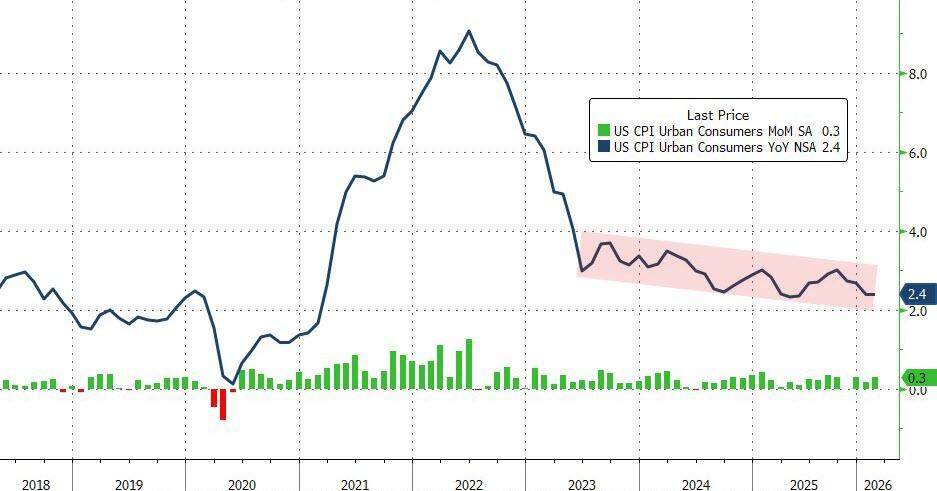
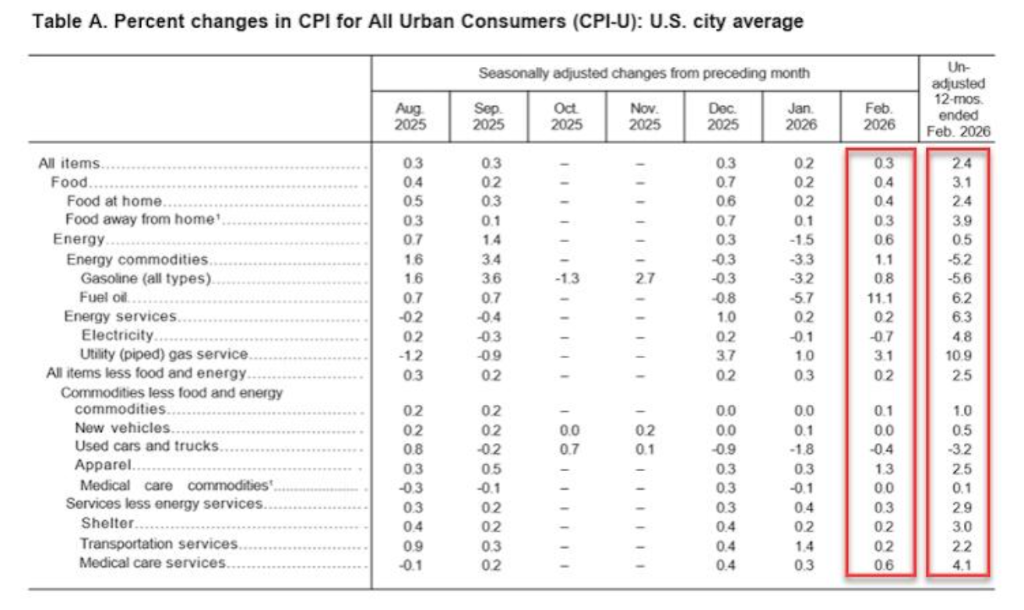
Data released by the U.S. Bureau of Labor Statistics on Wednesday showed that February's CPI rose 2.4% year-on-year, matching both expectations and the previous reading; month-on-month growth was 0.3%, in line with expectations and slightly above the prior 0.2%.
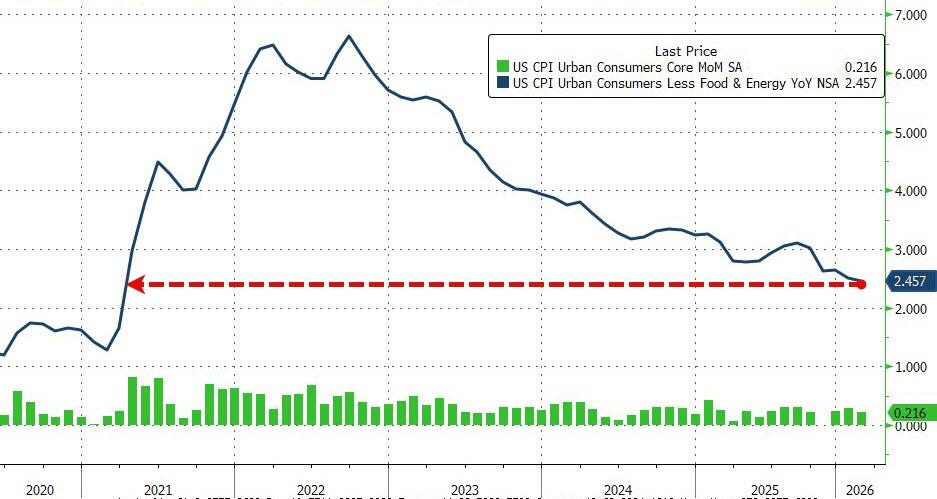
Core CPI rose 2.5% year-on-year in February, marking the slowest pace in five years, while its month-on-month increase eased from 0.3% to 0.2%, both aligning with market expectations.
Following the release of the data, U.S. Treasury yields remained stable, the dollar index saw little movement, and U.S. stock index futures edged higher.
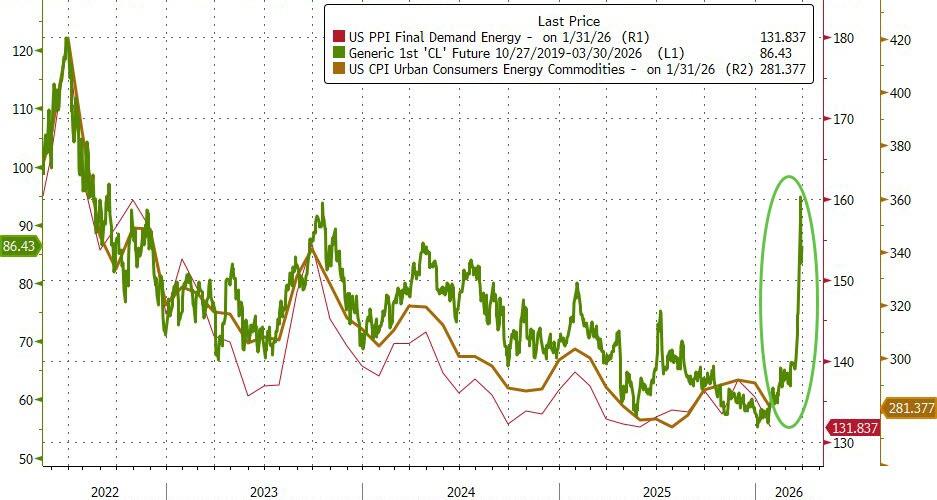
After a period of stubborn inflationary pressures last year, overall price increases in the U.S. have generally been moderating recently. However, the recent escalation in the Middle East has driven up oil, gasoline, and fertilizer prices, potentially reigniting cost-of-living pressures for American households—particularly as the midterm elections approach this year.
Service Inflation Remains Resilient, Energy Prices Rise
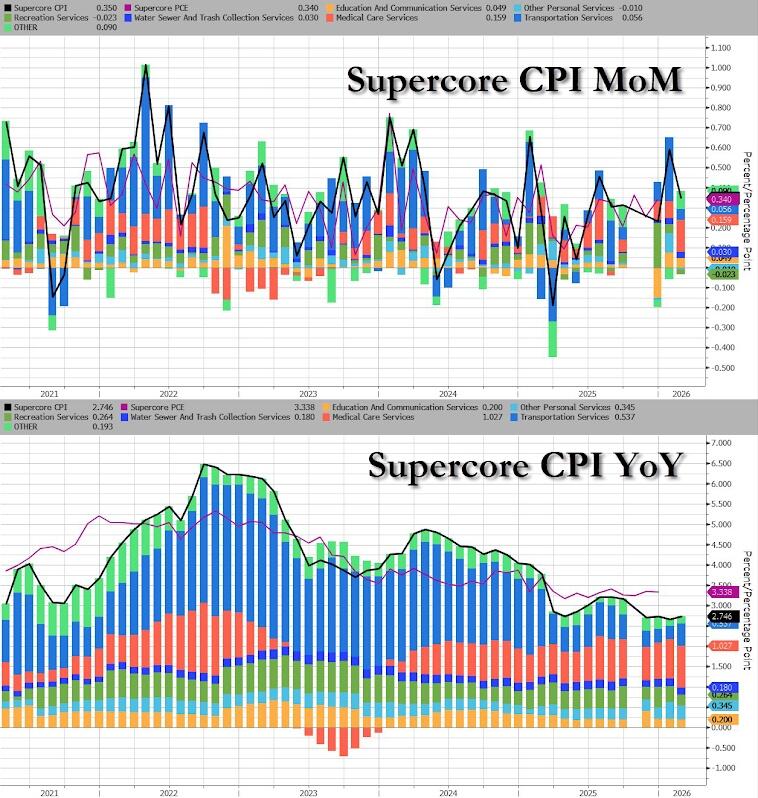
Structurally, core services continue to be the primary driver of inflation, though their pace of increase is clearly slowing.
Meanwhile, core goods prices remained largely stable, while energy prices began showing signs of uptick. Since the surge in WTI crude oil prices occurred primarily in March, the February CPI figures did not yet reflect this impact.
Wall Street Daily previously reported that Citigroup believes the upward pressure from rising energy prices on inflation is nearly certain to show up in March data.
Citigroup’s report notes that as of March 8, average U.S. retail gasoline prices had already risen by about 17% compared to the end of February. Based on this, Citigroup assumes a monthly gasoline price increase of around 15% for March, which would drive the overall CPI energy component up by approximately 7% month-on-month. The lag effect of airfares and core goods will likely result in a second wave of oil-driven inflation in the second quarter. Citigroup forecasts airfare year-on-year increases of about 10% to 15% by mid-year, while core goods prices also face upward risks in Q2.
On the policy front, markets widely expect the Federal Reserve to maintain current interest rates at next week’s policy meeting. This expectation has primarily been based on the trend of gradually declining inflation. However, with the potential for conflict to push inflation higher in the near term, some investors now believe the Fed may need to keep rates elevated for longer. On the other hand, policymakers must still weigh the fragility remaining in the labor market.