Desperate to Preserve Cash Flow! Oracle Pushes 'Bring-Your-Own-Chip' Model to Cloud, Shifting AI Infrastructure Costs onto Customers
Oracle is tackling the financial strain of AI infrastructure through an unconventional approach: shifting the most expensive AI chip costs onto select cloud customers, alleviating years of sustained cash flow pressure while continuing its aggressive expansion of data centers.
Facing years of expected negative free cash flow, Oracle disclosed on Tuesday during its earnings call that some cloud service clients will be required to either cover the cost of high-priced AI chips or directly bring their own chips into Oracle’s data centers.
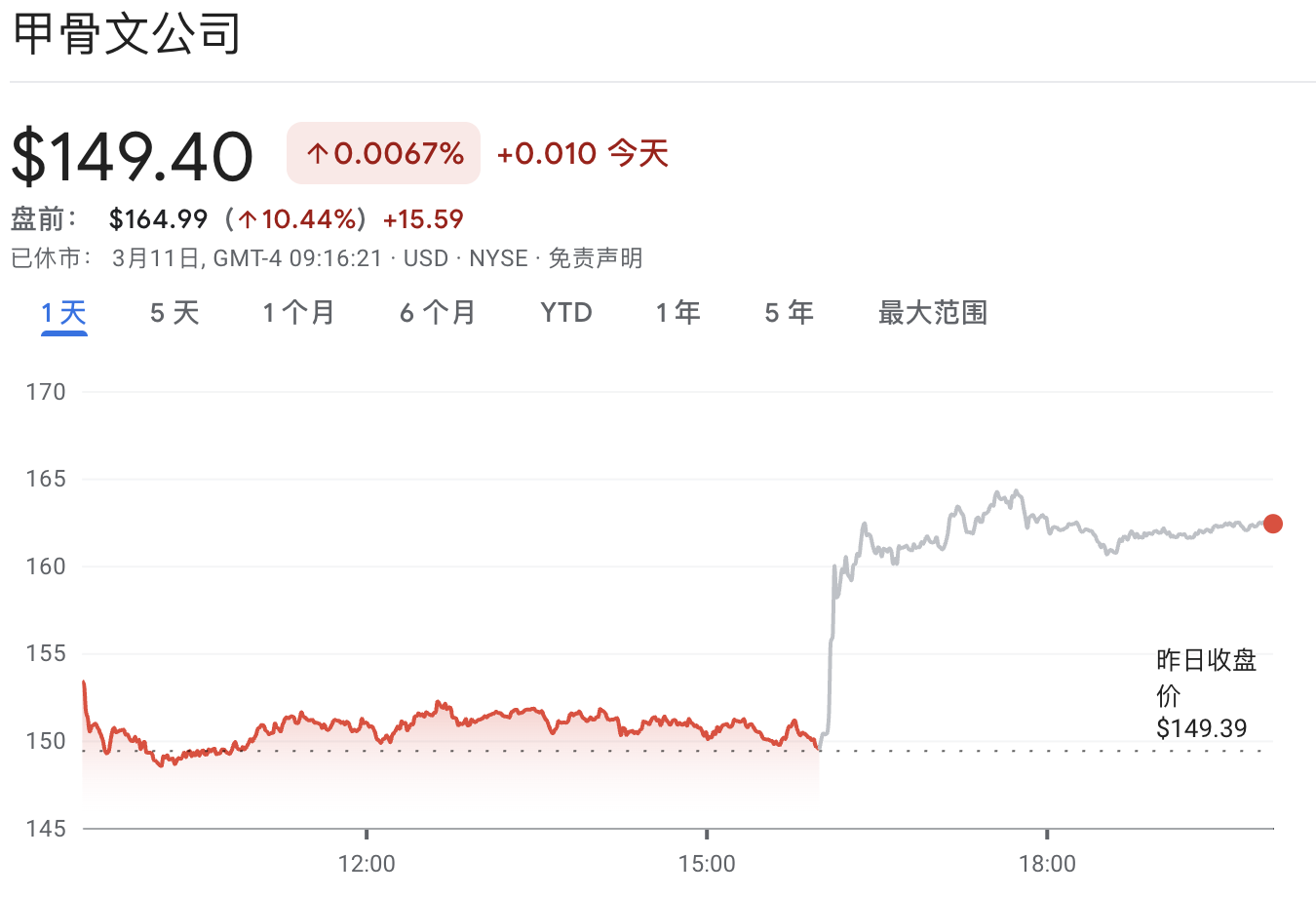
Co-CEO Clay Magouyrk stated that this strategy allows Oracle to deliver on new orders without further deteriorating its cash position. Following the earnings release, Oracle’s stock jumped more than 10% after hours—rebounding from a drop of over half since its peak in September last year.
This model breaks traditional cloud computing logic. The core reason? To build massive data centers for major clients like OpenAI, Oracle has been forced to raise hundreds of billions in capital through stock issuance and heavy debt, while also implementing large-scale layoffs.
\"Bring-Your-Own-Chip\": Disrupting the Traditional Cloud Pricing Model
Under the conventional cloud computing model, providers build data centers, equip them with servers and hardware, then recover costs and generate profits by charging customers multi-year leasing fees.
Oracle’s new model reverses this logic: multiple customers will prepay high prices for AI chips—or supply their own chips—while Oracle handles the operation of the underlying infrastructure.
In AI data center construction, chips (primarily from NVIDIA) are typically the single largest cost component. Shifting this burden to the client side means Oracle no longer needs to make large upfront capital outlays when taking on new orders, directly easing cash flow pressure.
Magouyrk described the arrangement during the earnings call as already implemented for \"multiple\" clients—not just a one-off pilot.
Cash Flow Crisis: Multiple Measures to Raise Capital
Oracle’s current financial pressure directly drove this strategy. Massive data center investments have pushed the company’s cash flow into negative territory for several years. To address this, Oracle has pursued a dual path of equity and debt financing, raising tens of billions in capital.
Rishi Jaluria, analyst at RBC Capital Markets, told Bloomberg Television:
"They have many tools at their disposal—you’ve already seen them complete equity financing despite external skepticism about their willingness to raise capital. I believe they’re committed to this path."
The latest earnings report also provided some support, with improved sales growth leading to a modest shift in Wall Street’s perception of Oracle.
Layoffs to Cut Costs: AI Efficiency as a \"Veil\"?
Beyond shifting chip costs, Oracle is also pursuing a more traditional cost-cutting route: massive layoffs. According to previous Bloomberg reports, Oracle is planning workforce reductions in the thousands, with severance expenses this year reaching historically high levels.
In its earnings statement, Oracle labeled the layoffs as a restructuring of its product development teams, citing advances in AI-assisted coding tools that allow for smaller team sizes.
This explanation closely mirrors that used by Jack Dorsey’s Block last month when it cut roughly 40% of its staff. Whether the market will respond with equal skepticism to Oracle’s narrative remains to be seen.
Broader Implications: Testing the Financial Limits of the AI Arms Race
Oracle’s actions reflect a shared dilemma across the tech industry: how to balance massive capital spending on AI infrastructure with long-term financial sustainability.
Whether other cloud providers will adopt the \"bring-your-own-chip\" model could become a key variable to watch throughout this AI arms race.
For investors, the post-market surge reflects, to some extent, a renewed reassessment of Oracle’s management capabilities. But the critical question remains: when will cash flow turn positive? That remains the central uncertainty hanging over Oracle.